What a home solar installation includes
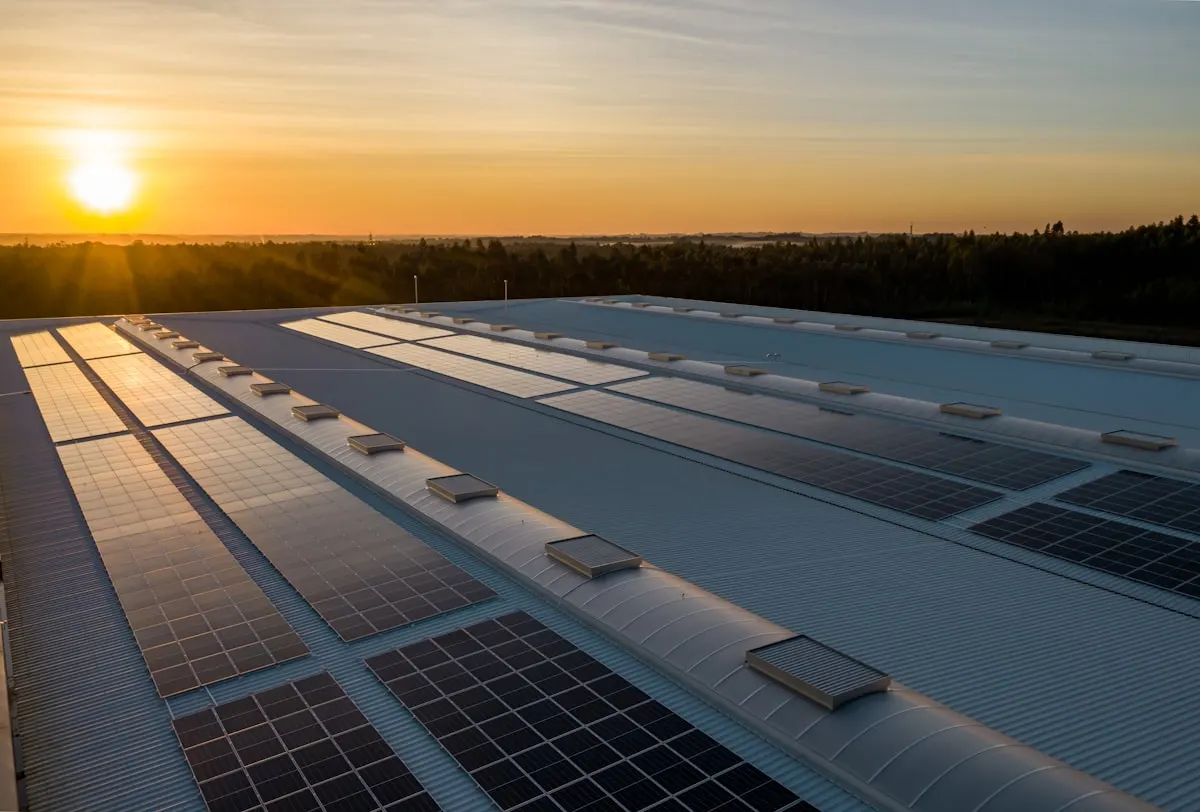
A home solar system is a set of panels on the roof (or in the yard), an inverter that turns their DC output into household AC power, and a connection to your main electrical panel and the utility meter. During the day the house uses the solar power first; any surplus goes to the grid or to a battery, and at night the house draws from the grid or the battery as usual.
The installer’s job runs from sizing the system on your past bills to getting the utility’s permission to turn it on. Most of the calendar time goes to design, permits and inspections; the work on the roof usually takes one to three days. Whether it pays off depends mostly on what you pay for electricity, how your utility credits the power you export, and the price you get, and prices vary widely between installers.
What homeowners actually install and pay
Public installation records from utilities and state agencies, compiled by Lawrence Berkeley National Laboratory in Tracking the Sun, show what a typical home system looks like:
| 2023–2025 records | |
|---|---|
| Median price, bought outright | $4.25 per watt in 2025, before incentives |
| Median system size | 7.3 kW in 2025 (6.4 kW in 2019) |
| Median total price | $31,100 in 2025 |
| Systems with a battery | 45% in 2025 (72% in California), up from 10% in 2023 |
| Roof direction | 57% face south, 23% west, 12% east, 8% north |
| Most common panel brands | Qcells (30%), JA Solar (11%), REC (8%), SunPower (7%) |
| Most common inverters | Enphase (48%), SolarEdge (27%), Tesla (14%) |
Panels have also improved: the median panel installed in 2025 converted 21.3% of sunlight into electricity, against 16.4% in 2015, so the same roof holds a bigger system than it used to.
Prices vary more between installers in the same city than most people expect. Our installer rankings by city show the local median price and what each of the top installers charged, and our guide to what solar panels cost breaks prices down by state, size and battery.
How the process works
- Bills and sizing: the installer reviews a year of electricity bills and proposes a system size.
- Site survey: a technician checks the roof’s condition, rafters, shading and main electrical panel.
- Design: the final layout, panels and inverter are chosen, and you sign the contract.
- Permits: the installer applies to your city or county and submits an interconnection application to the utility.
- Installation: the crew mounts the racking and panels and wires the system, usually in one to three days.
- Inspection and permission to operate: the building department inspects the work, and the utility approves the connection, often with a new meter. Only then is the system turned on.
Cost factors
| Factor | Impact on cost |
|---|---|
| System size | More panels cost more in total but usually less per watt. |
| Equipment | Higher-efficiency panels and microinverters cost more than standard panels with a string inverter. |
| Roof | Steep, tall or cut-up roofs take more labor and hardware, and tile roofs cost more than asphalt. |
| Electrical panel | An old or full main panel may need an upgrade, often a few thousand dollars. |
| Battery | Adding a battery raised the median system price from $27,000 to $39,500 in 2023–2025 records. |
| Installer | Prices for similar systems vary widely between installers in the same city. Our city rankings show each top installer’s median. |
When this service is the right fit
- High electricity rates: What you pay per kWh matters more than anything else. Without the federal credit, a typical system pays back in about 7 years at best where electricity costs around 35 cents per kWh, as in much of California, and in 15 years or more where it costs around 15 cents.
- Good sun exposure: Homes with south or west-facing roofs that receive unobstructed sunlight for most of the day are prime candidates.
- Long-term residency: Homeowners who plan to stay in their current house for at least five to seven years will see the best return on investment.
- Desire for backup power: Solar alone shuts off during a grid outage for safety. If backup matters to you, budget for a battery.
Questions to ask your installer
- What size system do you recommend for my energy usage, and how did you calculate it?
- What brands of solar panels and inverters do you use, and what are their warranties?
- Do you handle all the necessary permitting and utility interconnection paperwork?
- Are your installation crews in-house employees or subcontractors?
- Can you provide references from recent residential installations in my area?
- What financing options do you offer, and how do they impact the total cost?
What to watch out for
- Savings estimates built on old rules. Check that the proposal uses your utility’s current export credits and doesn’t count the federal tax credit, which ended for home systems on December 31, 2025.
- Loan quotes without a cash price. Solar loans often carry a dealer fee built into the price. Ask what the same system costs paid in cash.
- Pressure to sign the same day. Get at least three quotes and compare them per watt.
- Unclear roof responsibility. Get in writing how long the installer covers leaks at the mounts, and who covers them if the installer closes.
- License and insurance. Verify the contractor license with your state board before signing.